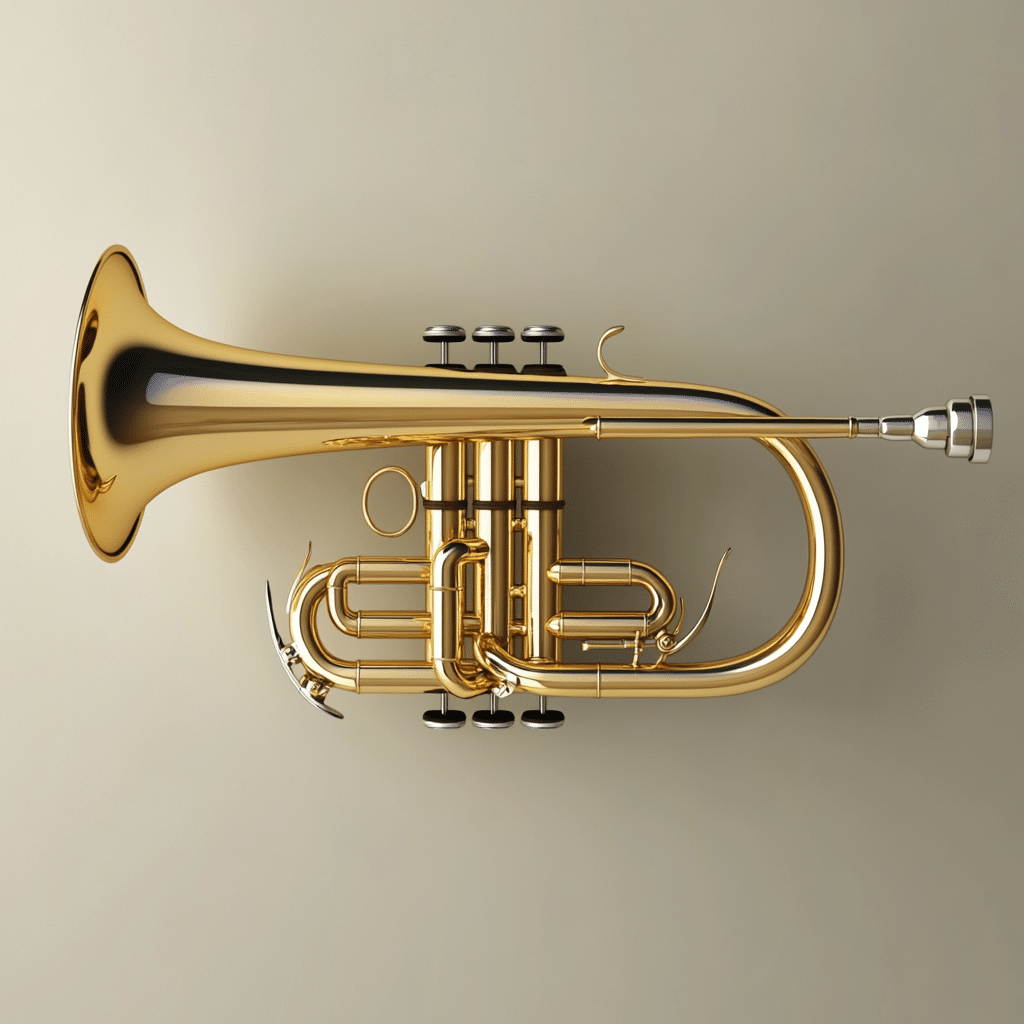
Ah, the flugelhorn! This stunning brass instrument, known for its rich, warm tones, has come a long way since its inception in the 19th century. If you’re a music lover, or just someone who appreciates the finer things in life, buckle up! We’re about to dive into the fascinating world of the flugelhorn, exploring its origins, iconic players, craftsmanship, and how it continues to shake things up in various musical genres.
Understanding the Flugelhorn: Its Origins and Evolution
The flugelhorn is more than just an instrument; it’s a historical piece of art that resonates with different cultures and musical styles. Originating from the German word “Flügel” meaning “wing,” this beauty first appeared as a softer alternative to the trumpet in the early 1800s. Its distinctive conical bore and wider bell give it that mellow sound we adore today.
Over the decades, the flugelhorn has evolved. It started making waves in military bands and brass ensembles. Eventually, it snuck its way into jazz and pop music, becoming a staple in these genres. This evolution reflects how societal changes push musical instruments into new realms of creativity and expression.
Design variations Have added to its allure. Whether it’s the classic model or more modern styles, each flugelhorn brings its unique flair. This instrument’s evolution mirrors societal changes, from 19th-century military bands to contemporary jazz clubs, where its rich sound still captivates audiences. Indeed, the flugelhorn serves as a musical bridge across time and genres.
Top 7 Iconic Flugelhorn Players Who Shaped Modern Music
You can’t talk about the flugelhorn without mentioning the big players who have made it shine in the spotlight. Let’s explore the top seven flugelhornists who have left their mark on the music scene.
Who can forget Mangione’s hit “Feels So Good”? The flugelhorn takes center stage, effortlessly luring in listeners with its warm resonance. The man’s innovative compositions redefine jazz fusion, making him a vital figure in contemporary music.
Farmer’s lyrical approach brought the flugelhorn into the jazz limelight. Collaborating with legends in the Jazztet, his signature sound elevated the instrument in the mid-20th century, cementing its place in jazz history.
While primarily celebrated for his trumpet prowess, Gillespie’s occasional flugelhorn performances introduced a fresh layer to his versatile sound. His charisma and musical genius made the flugelhorn shine in unexpected ways.
Known for leading big bands, Ferguson showcased the flugelhorn’s versatility in high-energy compositions. His arrangements often highlighted the instrument’s unique capabilities, captivating audiences everywhere.
Lynch brings the flugelhorn into contemporary jazz, blending it with Latin influences. Through his albums and live performances, he captivates audiences with innovative approaches that highlight the flugelhorn’s adaptability.
With a style fusing classical and jazz elements, Hagans has pushed the boundaries of flugelhorn music. His creativity inspires a new generation to explore the instrument’s vast potential.
As a contemporary flugelhornist, Moore’s contributions to various ensembles highlight the richness and depth the instrument brings to both classical and jazz settings. His versatility makes him a noteworthy figure in today’s music scene.
The Design and Craftsmanship of the Flugelhorn
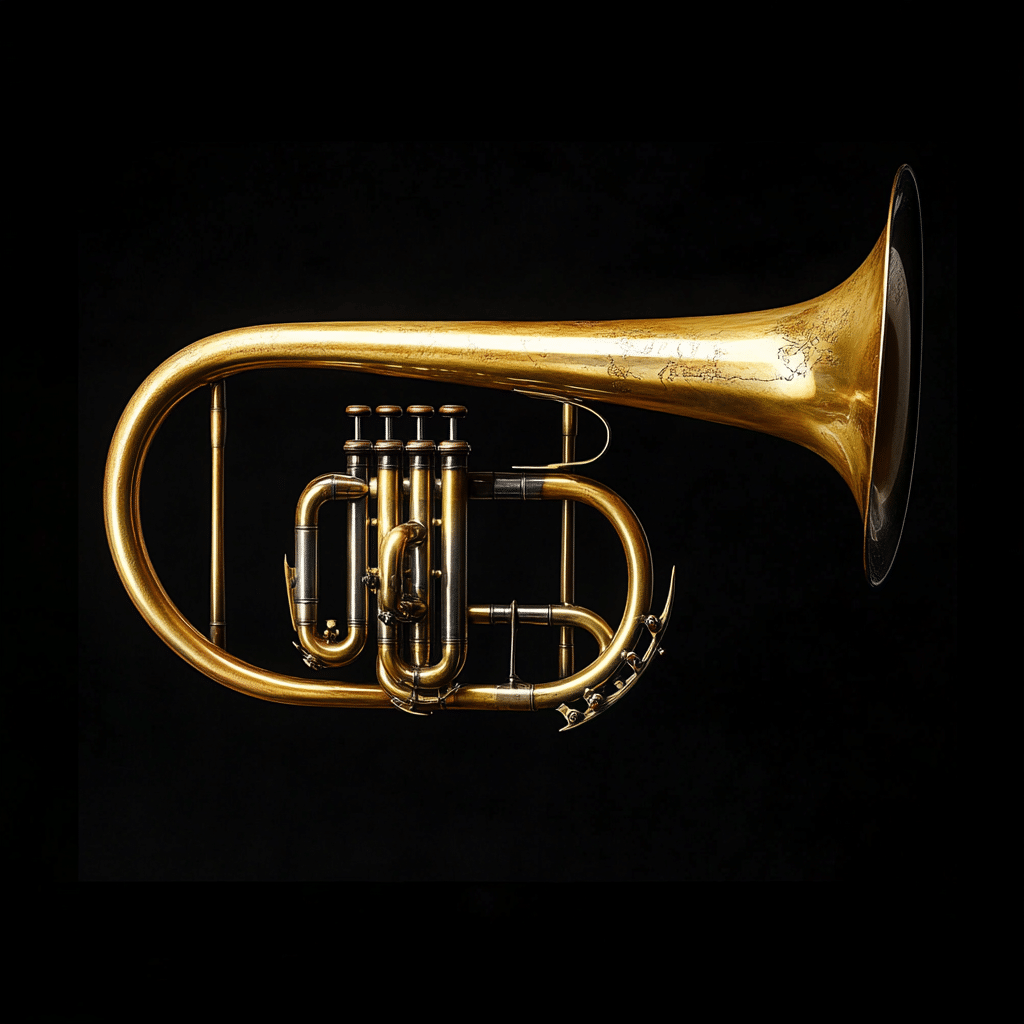
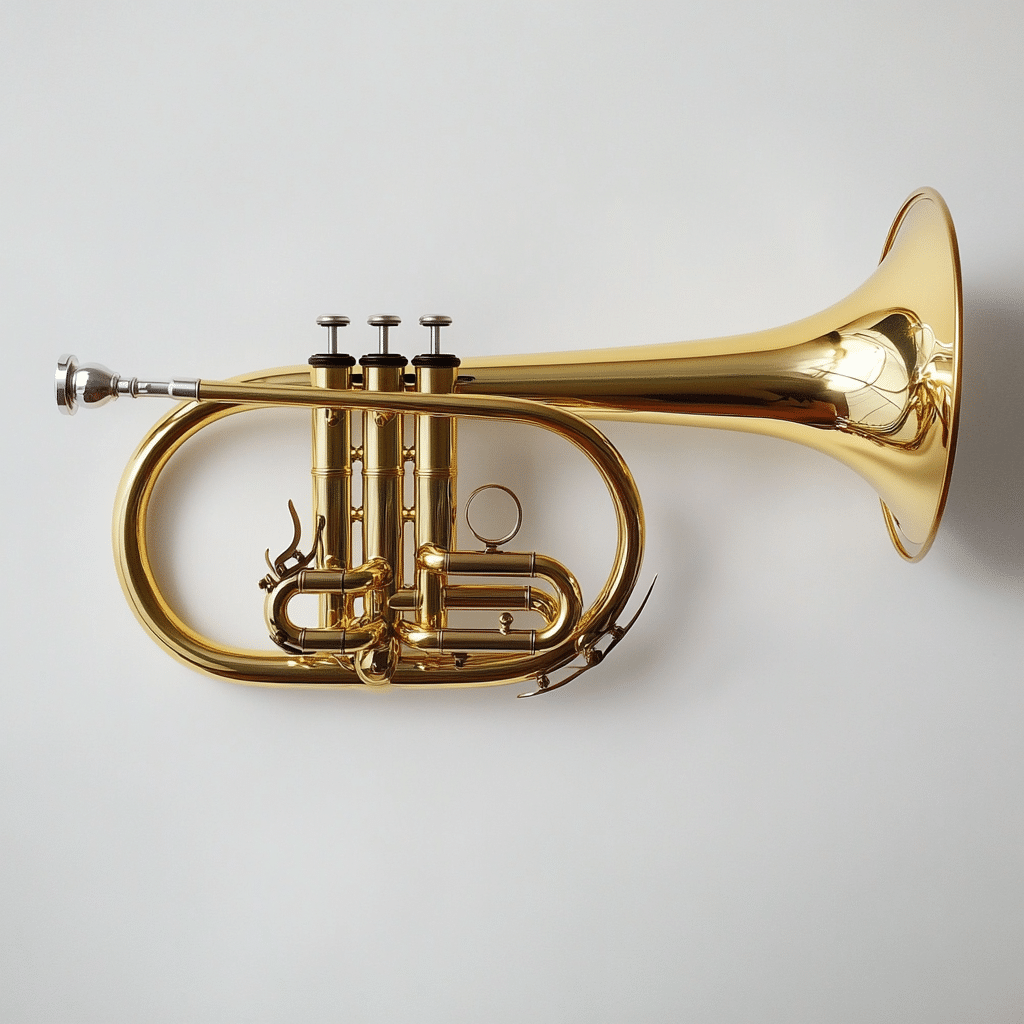
When discussing the flugelhorn, understanding its Design and craftsmanship Is key to appreciating its distinct sound. Crafted mainly from brass, the flugelhorn flaunts a wider, conical bore and a funnel-shaped bell. These design features contribute to its mellow timbre that’s loved by both musicians and listeners alike.
Notable brands like Yamaha And Bach Have produced high-quality instruments that cater to various musical styles. Yamaha’s YFH-631G, for example, stands out for its excellent intonation and adaptability for both jazz and classical performances. On the flip side, Bach’s Stradivarius 184 is the go-to choice for professional musicians who appreciate its rich sonic palette.
Don’t overlook the Getzen 1-990, either. This model has gained popularity amongst students and emerging artists for its responsive playability. It functions as a reliable introduction to the exploration of flugelhorn techniques and sounds.
The Role of the Flugelhorn in Various Musical Genres
The flugelhorn has carved a niche across different musical genres. Its versatility allows it to fit seamlessly into various styles, making it an invaluable instrument.
Jazz and Fusion
In the jazz scene, the flugelhorn is often favored for its warm and expressive sound. Its subtlety pairs beautifully with electric instruments in fusion, igniting innovation and creativity, promising unforgettable experiences in every performance.
Classical
In classical music, the flugelhorn shines through its smooth and lyrical qualities. Composers like Gunther Schuller Have incorporated it into orchestral arrangements, turning heads and showcasing the flugelhorn’s melodic capabilities.
Marching and Brass Bands
Even in marching bands, the flugelhorn plays a significant role. Take the Blue Devils, for example; they’ve demonstrated how its softer tones can beautifully balance louder brass instruments, enriching their overall sound and enhancing the audience’s experience.
The Future of the Flugelhorn: Trends and Innovations
As the music landscape continues to shift, the flugelhorn’s role evolves with it. Musicians are embracing digital audio technology, integrating innovative playing techniques that breathe new life into this cherished instrument.
Artists like Nils Frahm Have introduced the flugelhorn into the realm of electronic music, bridging the gap between classical instrumentation and modern soundscapes. This fusion of genres showcases the flugelhorn’s adaptability and potential for growth.
The future looks bright. As emerging musicians explore this instrument, flugelhorn enthusiasts can expect exciting new compositions that reflect the unique voice of this brass beauty. From jazz clubs to the next big pop hit, the flugelhorn continues to prove its worth, adding depth and warmth to the evolving music scene.
There’s something truly magical about the flugelhorn—it invites both players and listeners into a captivating musical realm. Its rich history speaks volumes about creativity and artistry, and with that, the journey of the flugelhorn is far from over. The future promises vibrant prospects that we can’t wait to hear!
As you sail through this vibrant music scene, don’t forget to check out our articles on Taylor Swift’s boyfriend and the latest happenings in pop culture like Timothée Chalamet and Kylie. You never know what musical influence might come next!
Flugelhorn: A Musical Journey Through Its Rich History
The Origins of the Flugelhorn
The flugelhorn, with its distinctive, mellow tone and round bell, has a fascinating backstory. Originating in the early 19th century, this brass instrument evolved from the valved bugle and was crafted for brass bands and military music. Interestingly, the flugelhorn took on new life in the jazz world during the 20th century. It was then that musicians like Miles Davis Embraced its unique sound, giving it a place in modern music. Speaking of iconic figures, do you know Taylor Swift’s boyfriend has an impressive musical background too? Seems like musical talent runs in certain circles!
Fun Facts About the Flugelhorn
Did you know that the flugelhorn has different tunings? While the most common is in B♭, there are variations tuned in C and D as well. This flexibility lets musicians adapt their sound for various musical styles. Just like a Salty dog Cocktail that can add a twist to your evening, the flugelhorn can do the same for any ensemble. Plus, its versatility has made it a staple in everything from orchestras to jazz bands, even making an appearance in film scores. Speaking of films, have you seen the recent article on Freakmob That highlights those memorable scores?
The Flugelhorn Today
Today, the flugelhorn plays a vital role in both traditional and contemporary music scenes. It’s not just about playing notes; it’s about emotion and storytelling, much like how the Osaka Vs Volynets Match demonstrated intense rivalry. Musicians have often cited the flugelhorn’s rich sound as ideal for expressing deeper feelings in a piece. And in the quest for creative inspiration, many artists, including those we’ve seen online like the latest on Timothée Chalamet and Kylie, turn toward unique instruments to tell their stories.
From its historical roots to its ongoing legacy in modern music, the flugelhorn continues to enchant audiences and musicians alike. If you’re curious about the challenges involved in playing it, remember that even the bravest can stumble—like when you might ask, Is Reddit down? On a particularly tough day. The flugelhorn, much like a Stick built home, provides a solid foundation for musicians to build upon, ensuring that its melodic journey continues for generations to come.
Is a flugelhorn harder to play than a trumpet?
Who is famous for playing the flugelhorn?
Why is it called a flugel horn?
Does a flugelhorn sound like a trumpet?
What is the easiest instrument to learn after trumpet?
Can a trumpet player play flugelhorn?
Is the flugelhorn a saxhorn?
What does the fourth valve on a flugelhorn do?
What are some fun facts about flugelhorn?
What is the hardest horn instrument to play?
Are flugelhorn and mellophone the same?
What is the trumpet but bigger?
Is a cornet a flugelhorn?
Why are there valve trombones?
Does a trumpet mouthpiece fit a flugelhorn?
Who is the most famous trumpeter?
Which jazz flugelhorn player composed and played feels so good?
What kind of flugelhorn did Roy Hargrove play?
What happened to Herb Alpert?
What is the hardest instrument to play trumpet?
What is harder trumpet or flute?
What is the easiest type of trumpet to play?
Which is harder to play trumpet or French horn?
Granite Magazine writes for Granite Magazine — men's fashion, style, grooming, fitness and lifestyle.